
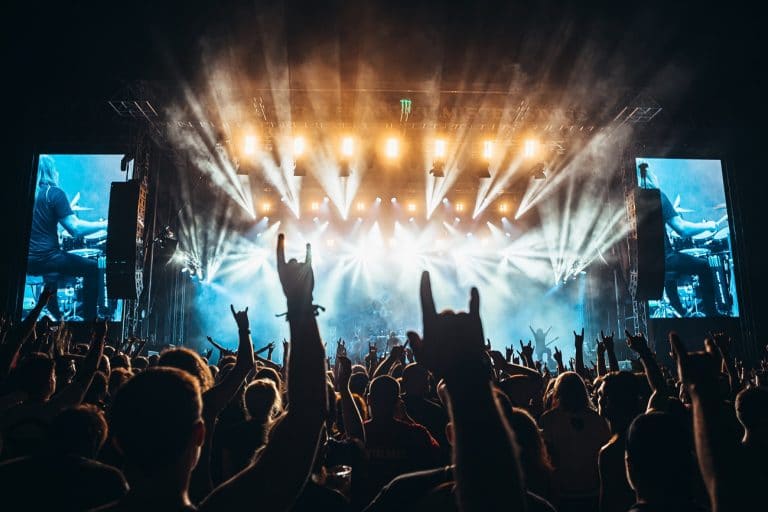
In the sprawling, electrifying world of heavy metal, Hellfest stands as a formidable monument, drawing fans from across the globe to its hallowed grounds in Clisson, France. As the festival approaches, sociologist Christophe Guibert offers a compelling examination of gender dynamics within this vibrant subculture. In his article on The Conversation, Guibert delves into the complex interplay between gender and metal music, using sociological surveys and in-depth research to illuminate an evolving landscape.
Guibert’s analysis highlights the persistent stereotypes that link metal music with masculinity, a perception that has contributed to its marginalization in mainstream media. Despite efforts to dismantle these stereotypes, metal is often depicted as a male-dominated domain, its presence in television and radio programming limited as a result. Yet, Hellfest emerges as a notable exception to this trend, known for its diverse lineup and dedicated fan base. The festival has witnessed a progressive feminization over the years, with female attendance rising from a mere 3% in 2006 to 27% in 2022. This shift reflects broader demographic changes and evolving perceptions regarding gender roles within the metal community.
However, Guibert acknowledges the ongoing challenges. Sexist and heteronormative representations persist within the metal scene, and female artists remain underrepresented on Hellfest’s lineup. This underrepresentation underscores the enduring disparities within the industry, where metal’s association as a “naturally” masculine genre continues to reinforce existing power dynamics. Guibert questions these entrenched gender norms, suggesting that, despite the efforts to challenge them, metal is still widely perceived as a male bastion.
Guibert’s research also explores the origins of women’s affinity for metal music, revealing complex socialization processes that shape cultural preferences. Family influences are significant, yet personal relationships and friendships also play crucial roles in nurturing an individual’s engagement with metal. Furthermore, he examines music consumption patterns at Hellfest, noting differences in musical preferences between male and female attendees. While men tend towards “fast” and “violent” metal styles, women show a preference for “melodic” and “symphonic” subgenres. Despite these differences, Guibert emphasizes the importance of challenging gender norms and fostering inclusive spaces within the metal community. The growing female presence at Hellfest marks a significant step towards gender equality, signaling a shift in perceptions and attitudes towards metal music in France.
For further insights, details, and graphical representations, readers are encouraged to access Guibert’s full article on The Conversation. This exploration not only sheds light on the current state of gender dynamics at Hellfest but also invites a broader discussion on inclusivity within the metal genre.
The conversation 0
Different voices. A shared love of heavy music.
Be the first to share your thoughts.
What stands out to you? Start the conversation.
Join the conversation
Keep it thoughtful and respectful. Comments are reviewed before appearing.