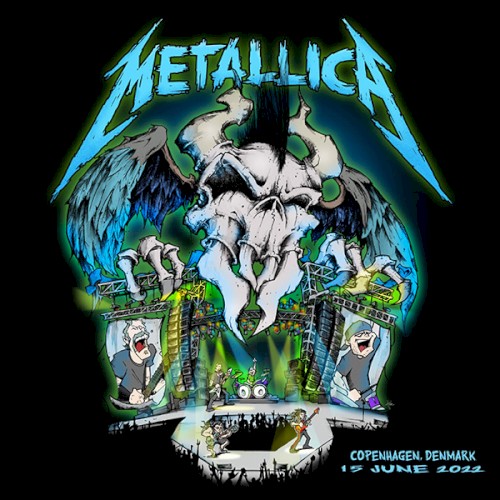
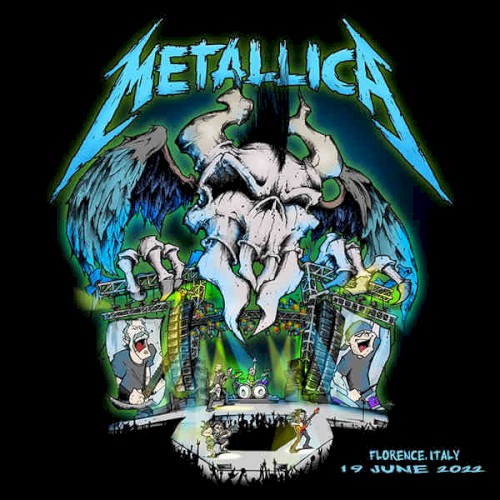
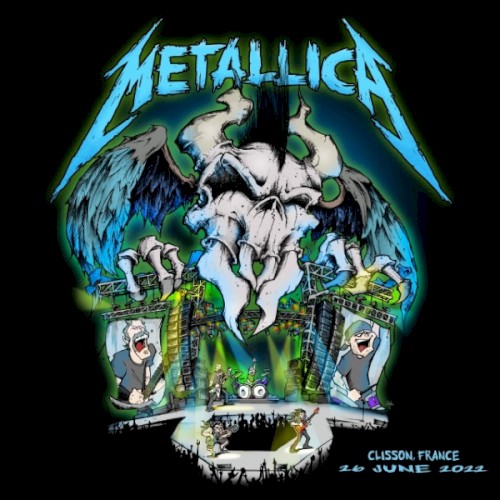
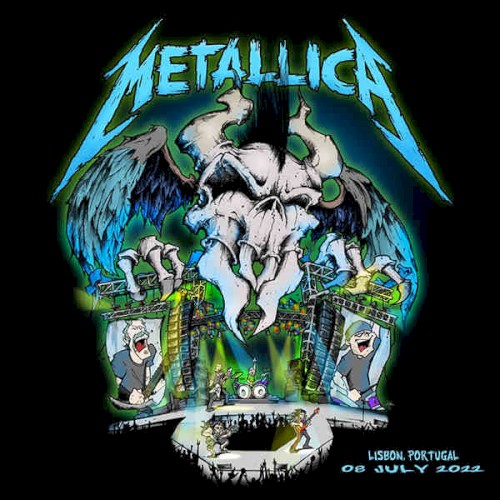
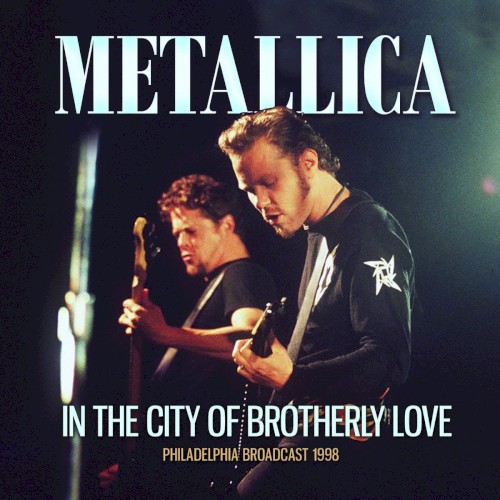
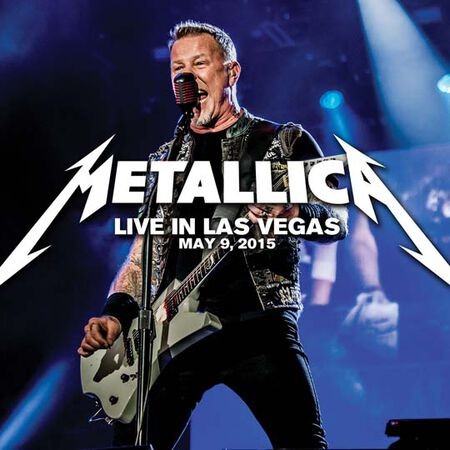
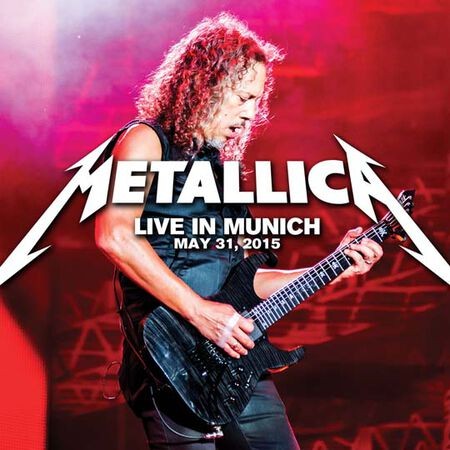
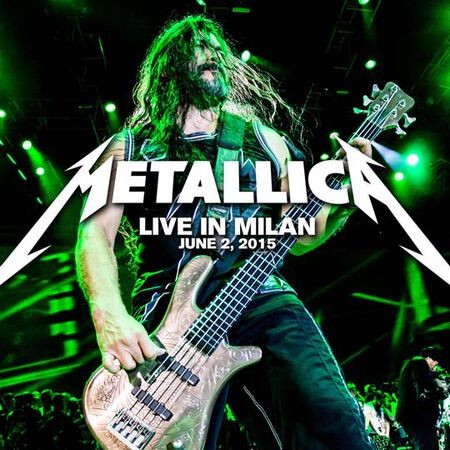
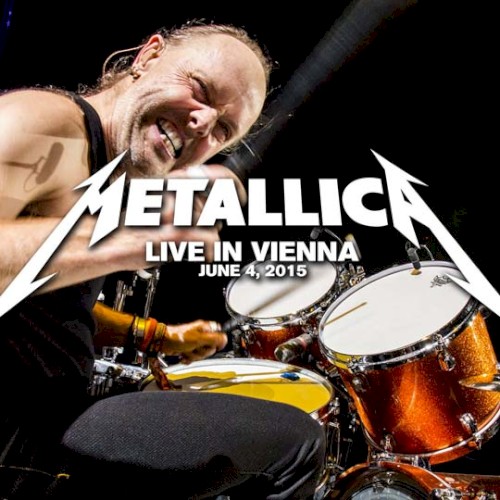
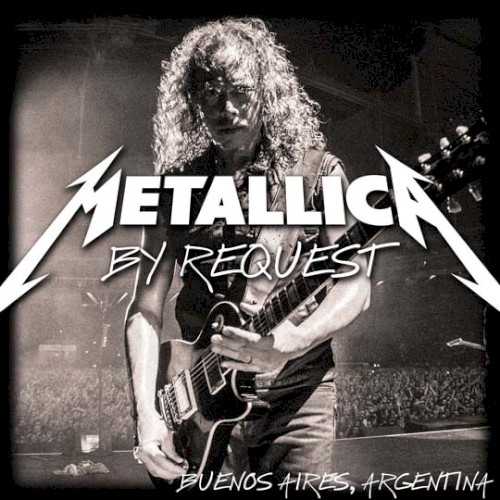
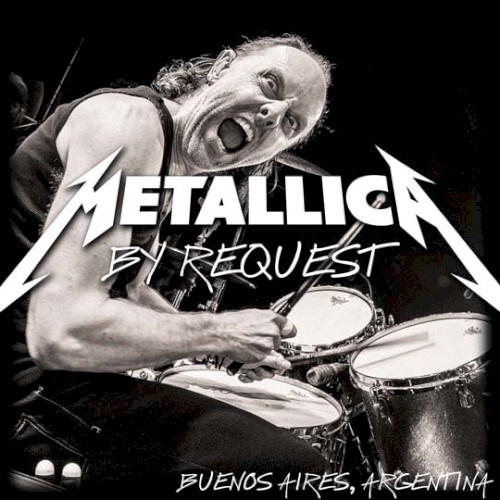
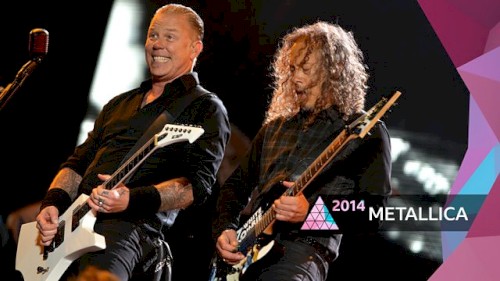
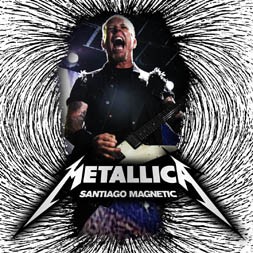
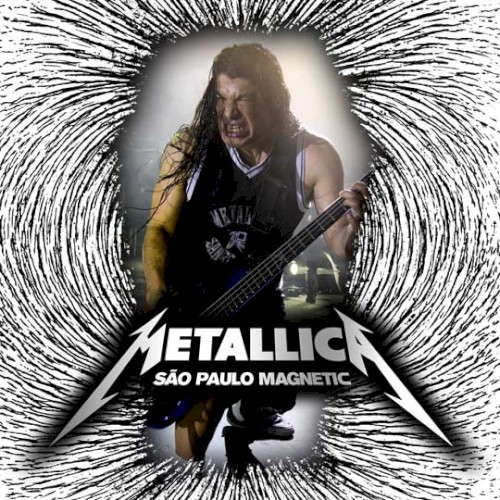
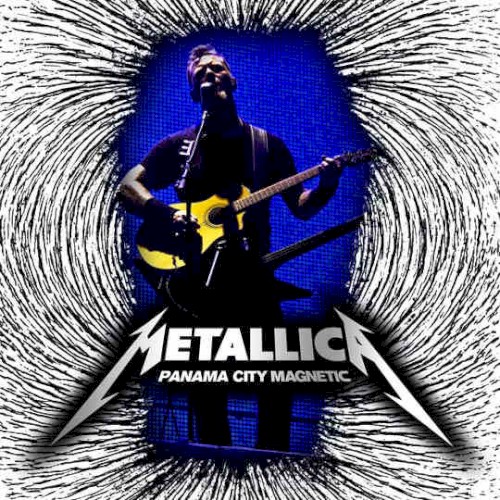
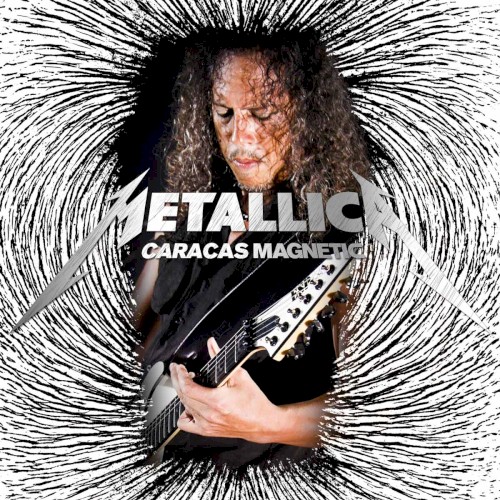
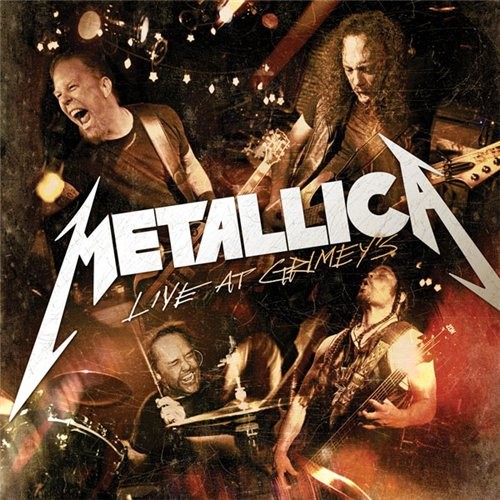
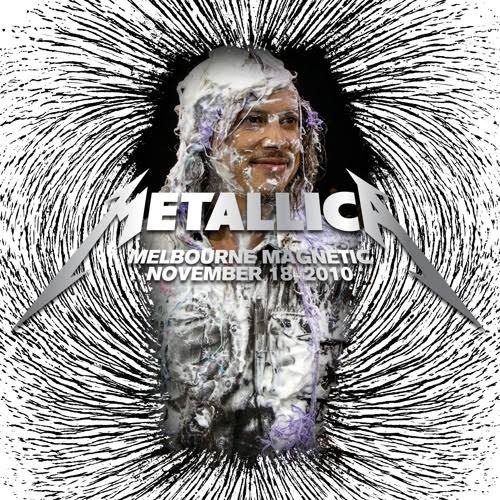
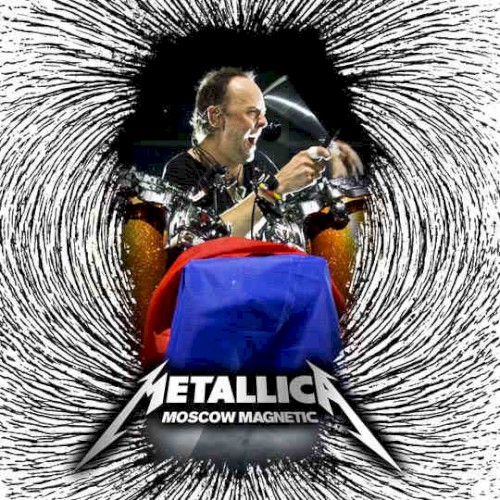
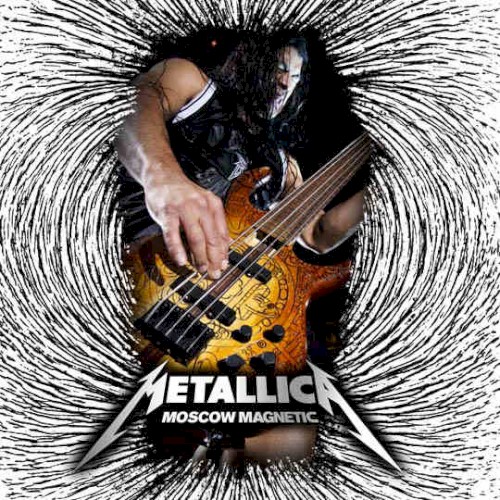
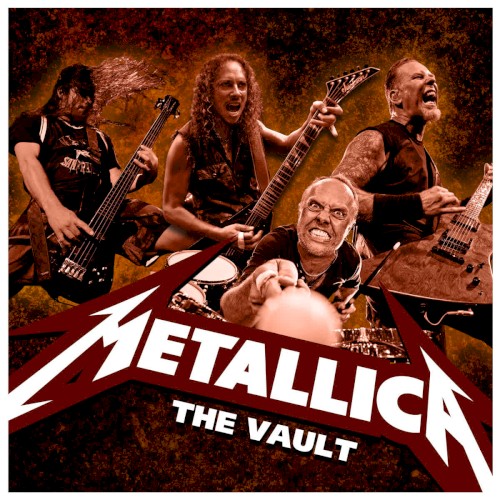
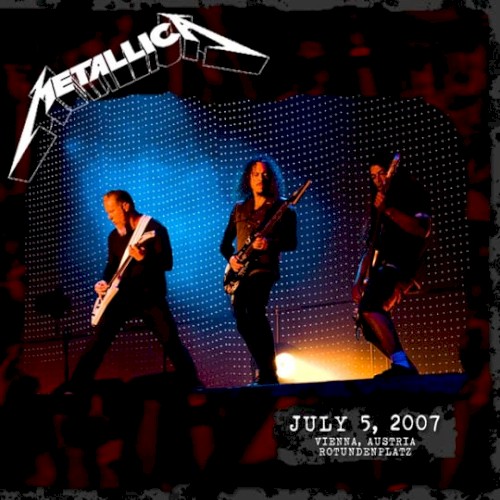
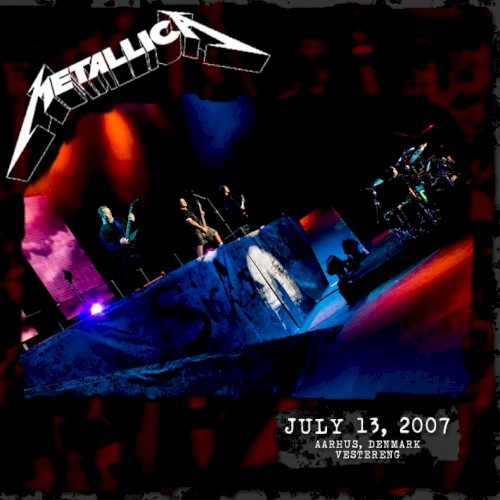
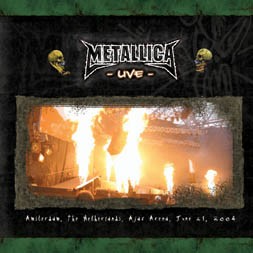
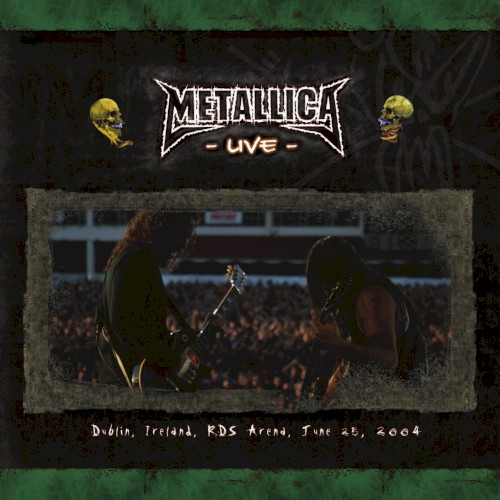
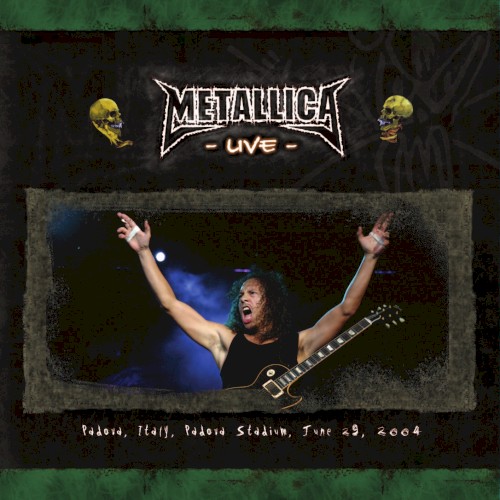
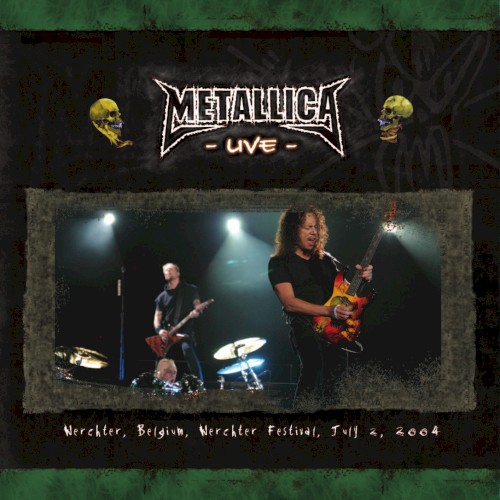
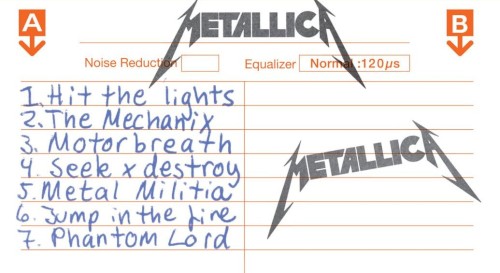
Metallica formed in Los Angeles in 1981 when Lars Ulrich and James Hetfield connected through a newspaper advertisement. They subsequently relocated to the San Francisco Bay Area. Their catalogue brings together thrash metal, extended instrumental passages, ballads and orchestral collaborations.
The first albums and the thrash foundation
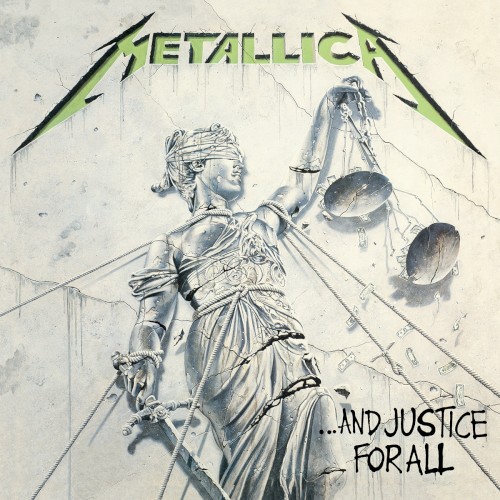
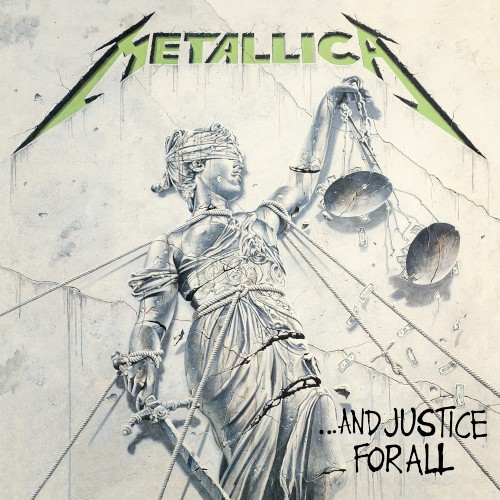
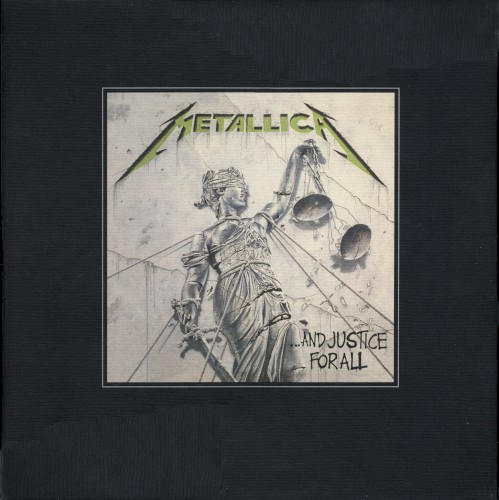
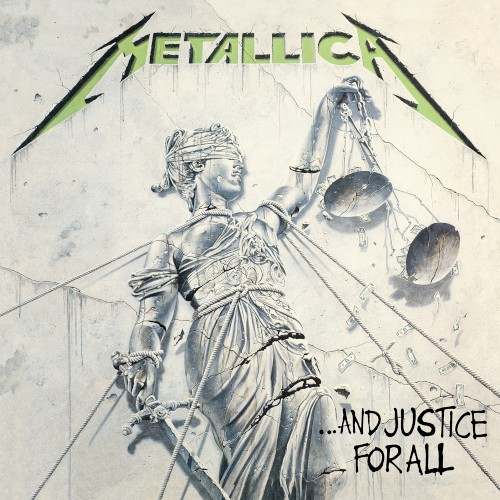
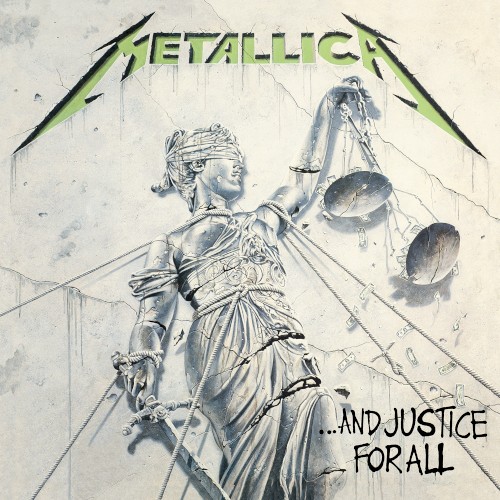
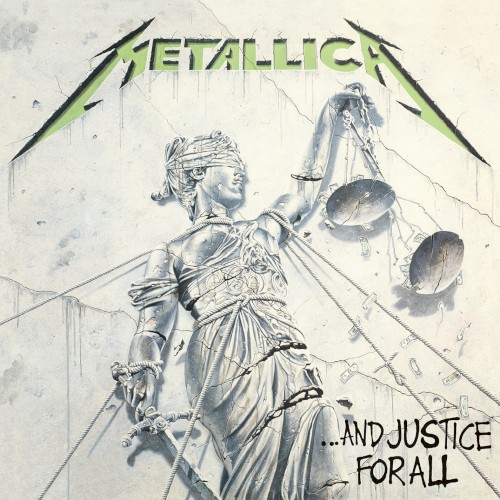
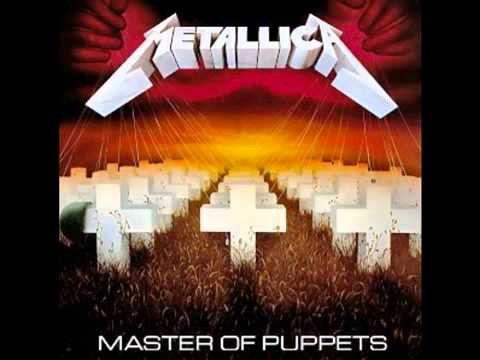
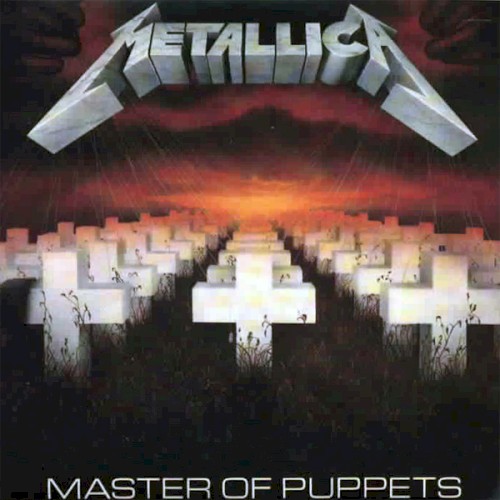
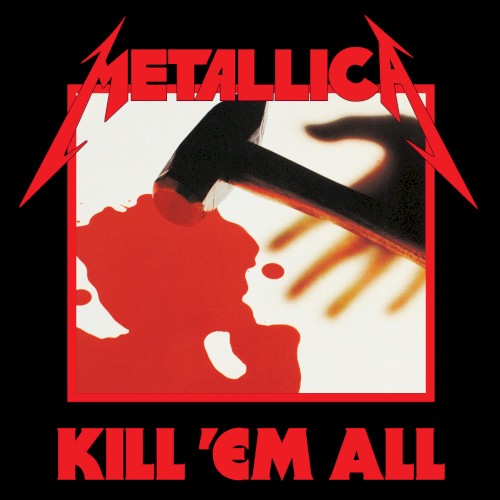
The official history follows their early demo circulation, Cliff Burton’s recruitment on bass and Kirk Hammett’s replacement of Dave Mustaine in 1983. Kill ’Em All arrived that year. Master of Puppets followed in 1986, but the same year brought Burton’s death in a tour-bus accident in Sweden. Jason Newsted subsequently joined, playing on the next studio album, …And Justice for All, released in 1988.
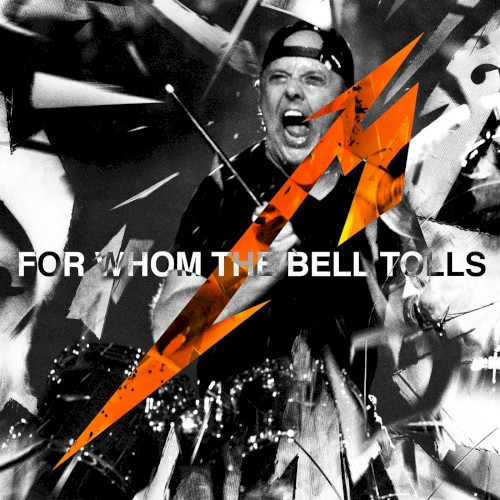
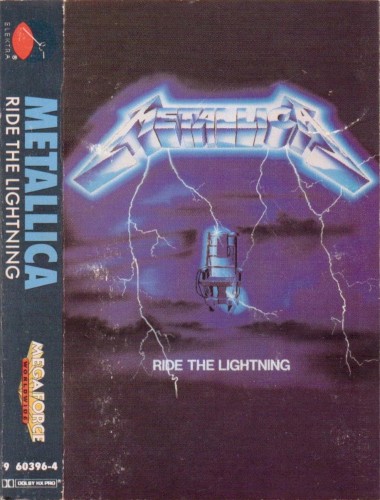
Between the debut and Master of Puppets, Ride the Lightning showed how rapidly their writing was expanding. Recorded at Copenhagen’s Sweet Silence Studios in 1984, it combined the attack of “Fight Fire with Fire” with the measured force of “For Whom the Bell Tolls,” the changing dynamics of “Fade to Black” and the instrumental narrative of “The Call of Ktulu.” The album’s original credits identify Flemming Rasmussen as engineer, with production credited to Metallica and assistance from Rasmussen and Mark Whitaker. The record’s contrasts explain why melody and atmosphere belong to their early identity as much as speed does.
The Black Album and musical expansion
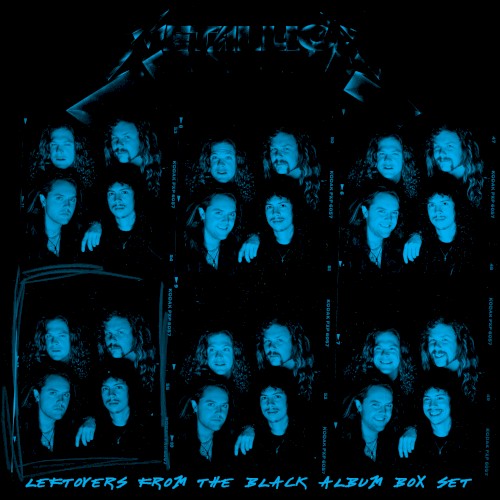
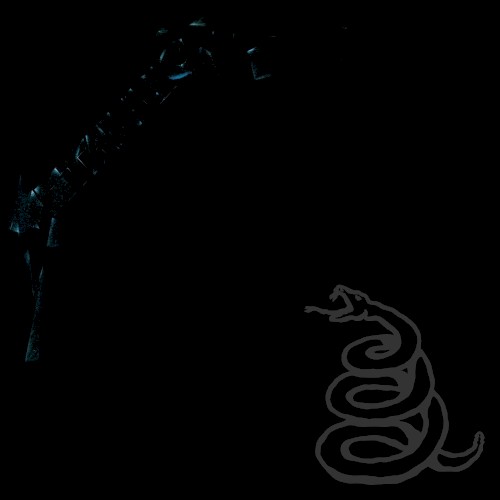
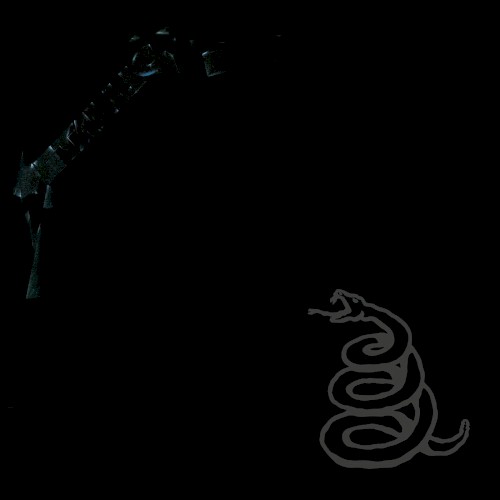
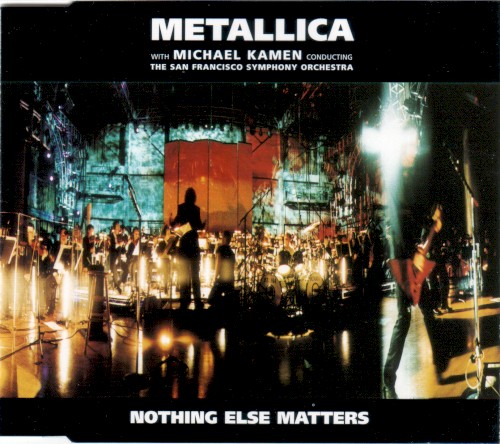
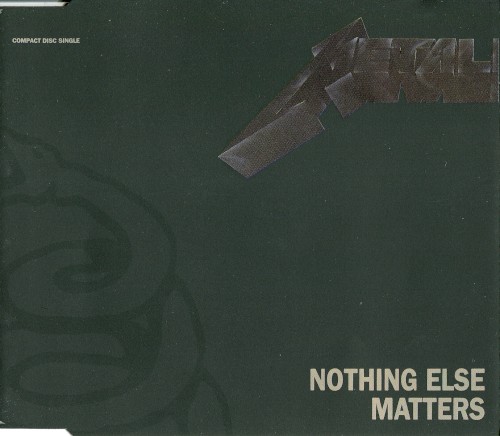
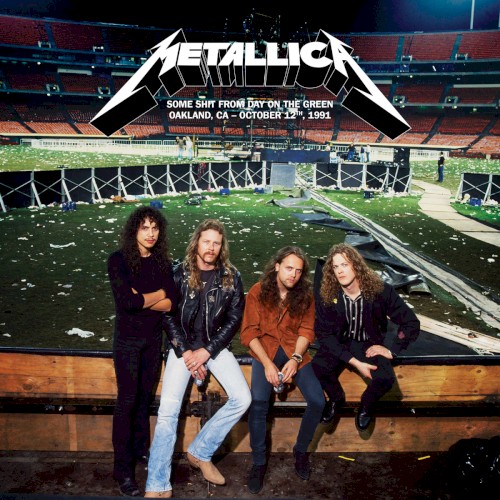
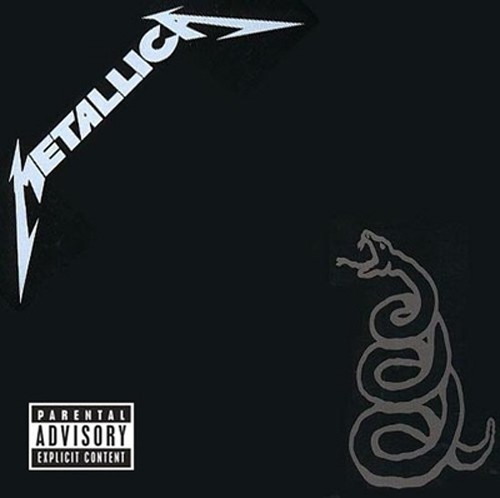
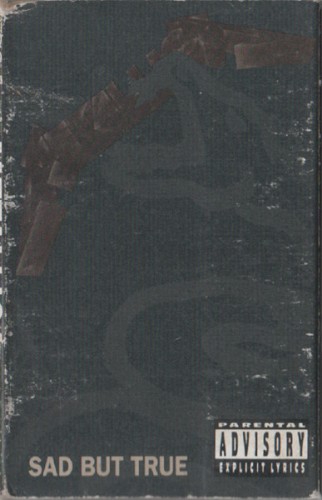
The self-titled Metallica album of 1991, commonly called the Black Album, made that range accessible through especially concentrated songs. “Enter Sandman” builds its impact around a recurring guitar figure; “Sad but True” gives weight and space a central role; “Nothing Else Matters” places a vulnerable vocal melody at the front. Bob Rock produced the album with Hetfield and Ulrich, while Michael Kamen arranged the orchestration on “Nothing Else Matters.” Those contributions are documented in the official reissue credits, which also preserve the demos and live recordings surrounding this period.
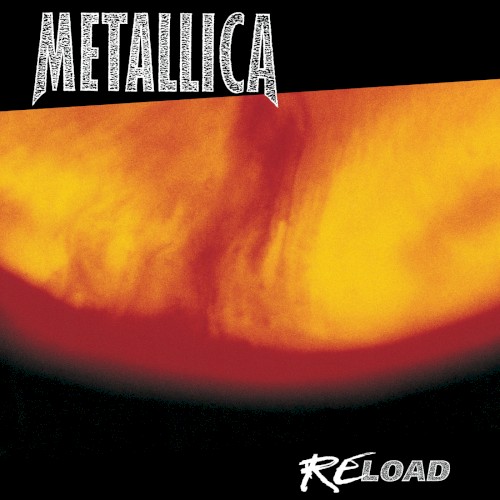
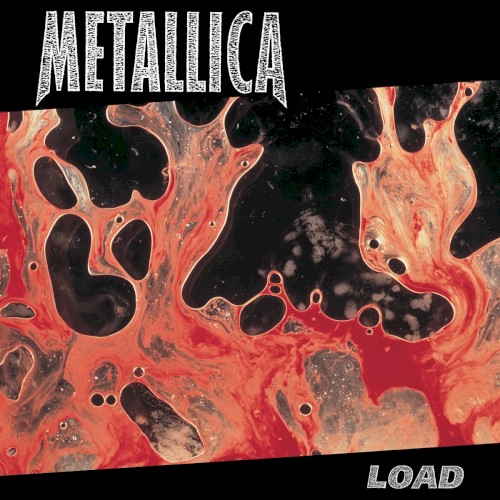
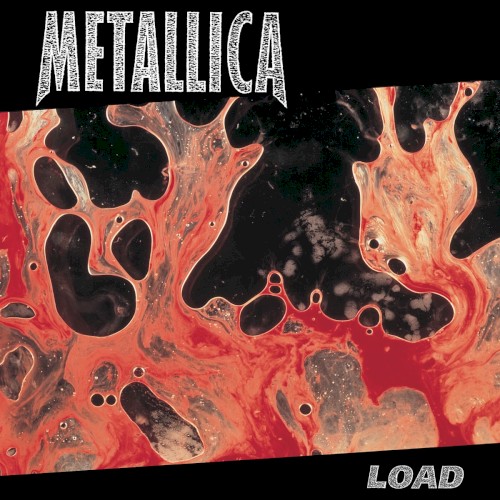
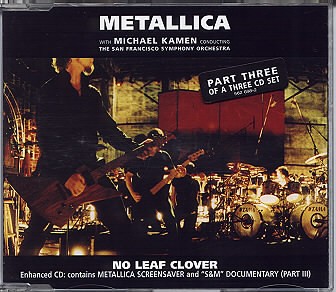
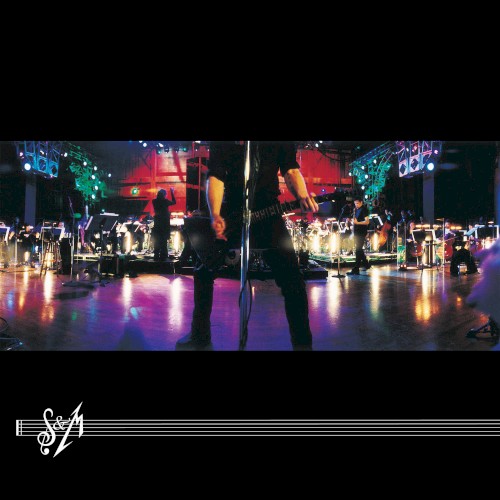
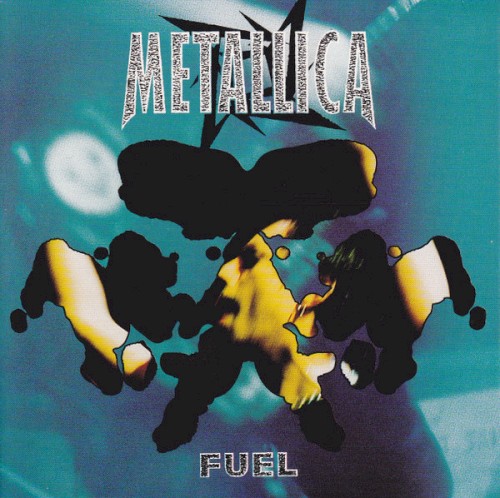
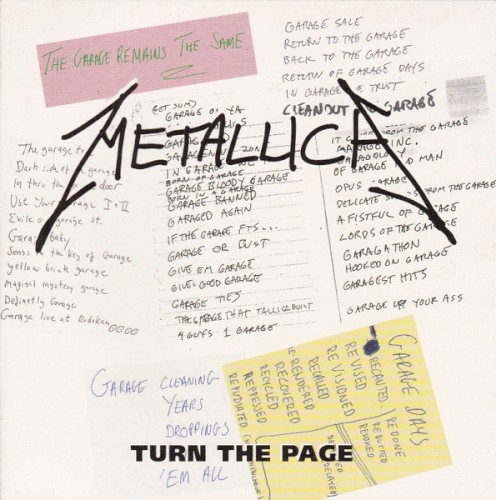
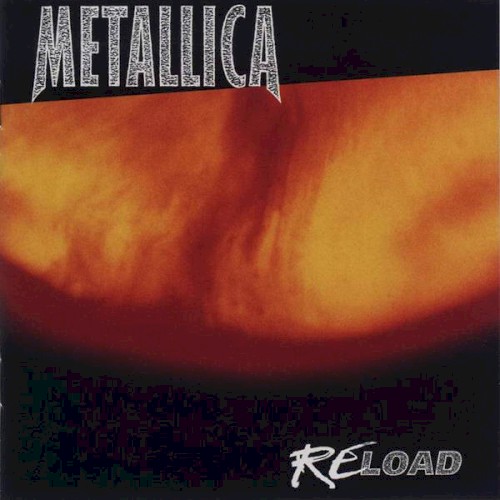
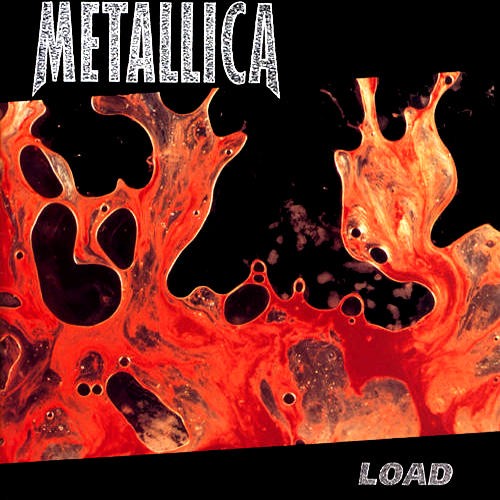
Load in 1996 and ReLoad in 1997 extended the catalogue further. The partnership with Kamen then became the basis of S&M, recorded with the San Francisco Symphony at Berkeley Community Theater on 21 and 22 April 1999. Kamen arranged, orchestrated and conducted the material. His official catalogue and liner notes document a programme drawing together “The Call of Ktulu,” “Master of Puppets,” “Fuel” and “No Leaf Clover.” The collaboration demonstrates how the band’s riffs and contrasting sections can support an orchestral interpretation without removing the electric instruments.
Rebuilding and revisiting their roots
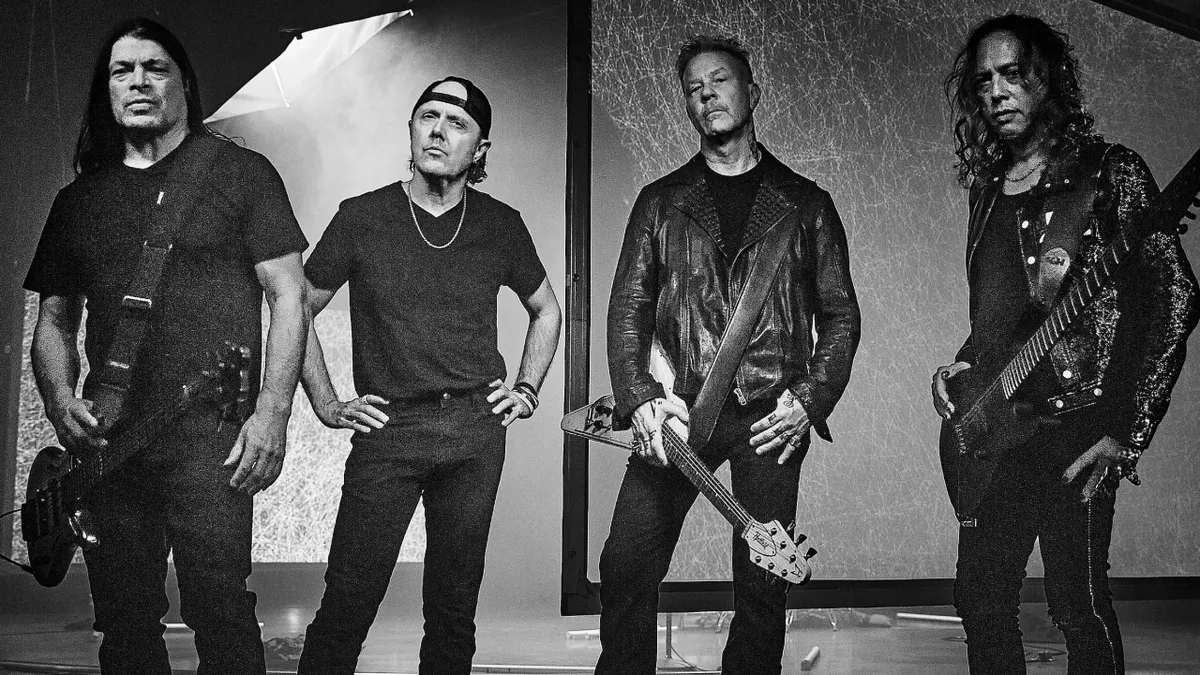
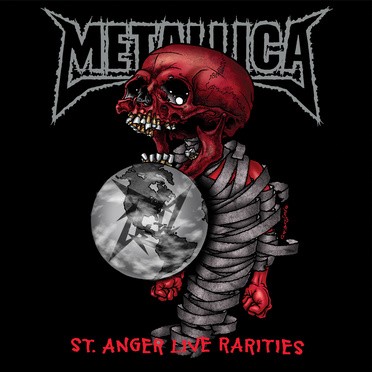
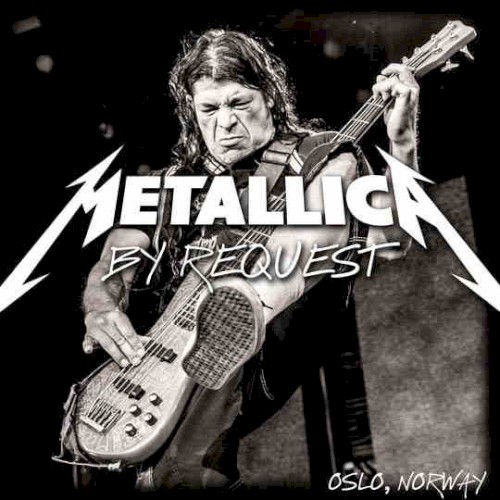
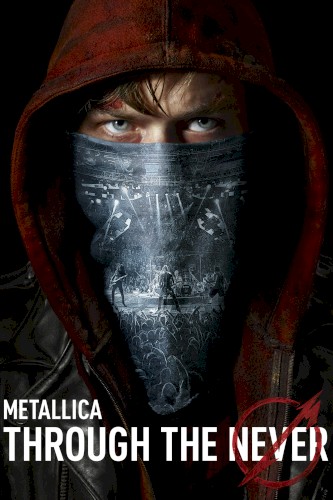
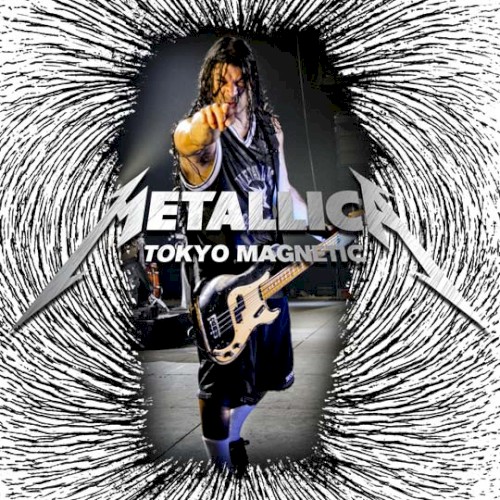
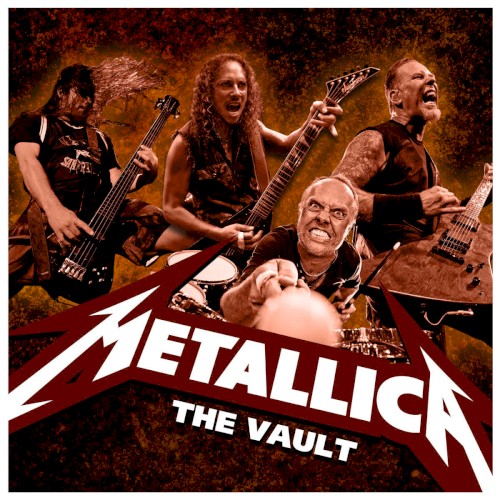
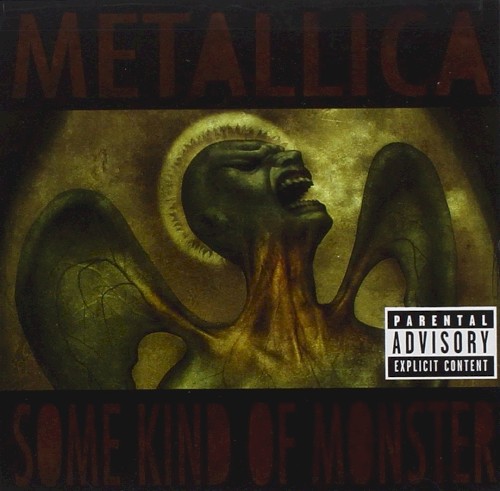
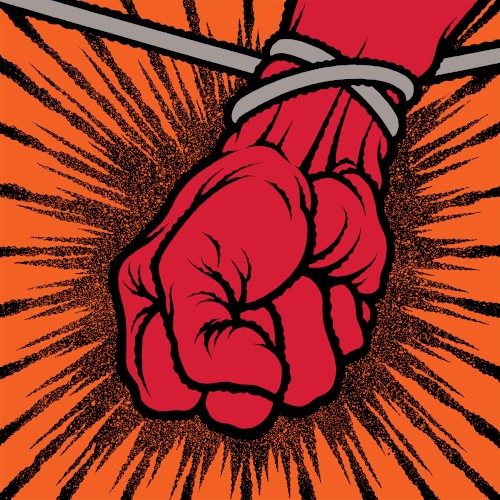
After Newsted’s departure, Bob Rock played bass during the making of St. Anger. Robert Trujillo joined in 2003, establishing the quartet with Hetfield, Ulrich and Hammett that continues into the current touring era. The band’s history also documents the accompanying film Some Kind of Monster, directed by Joe Berlinger and Bruce Sinofsky.
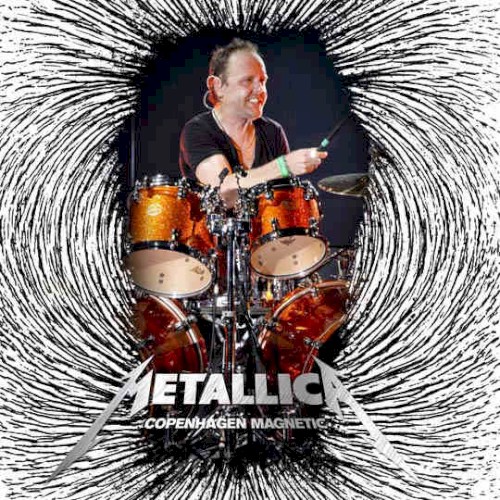
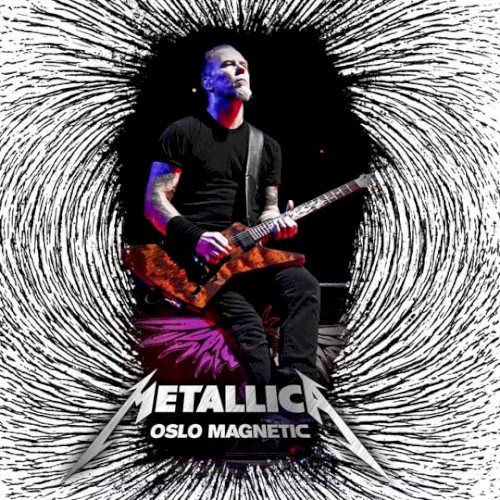
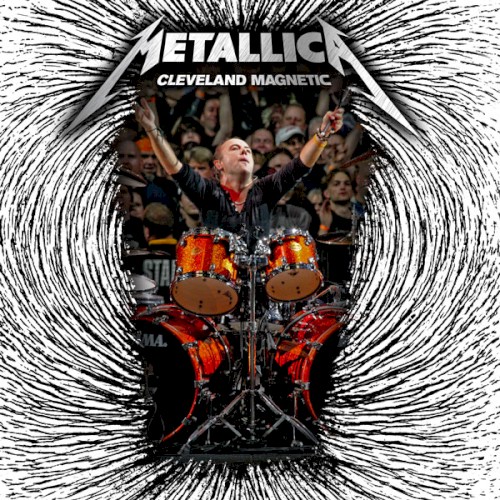
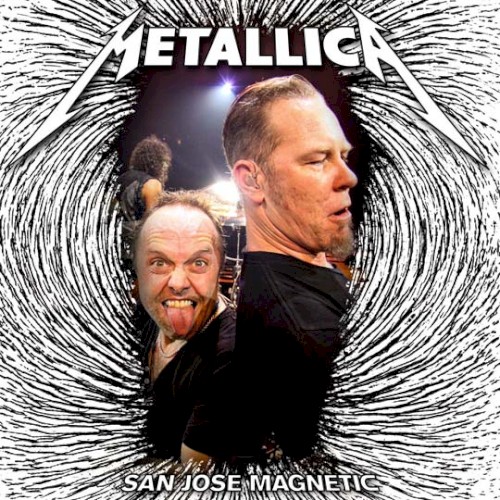
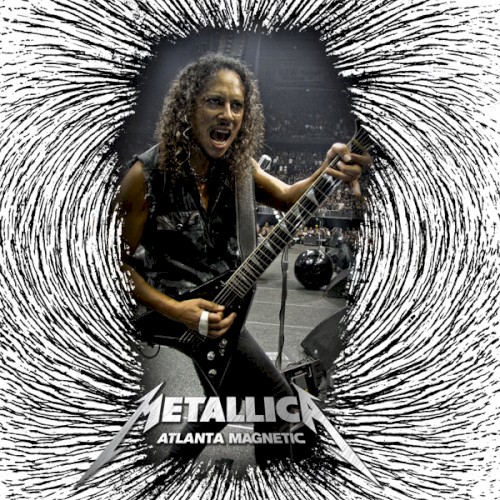
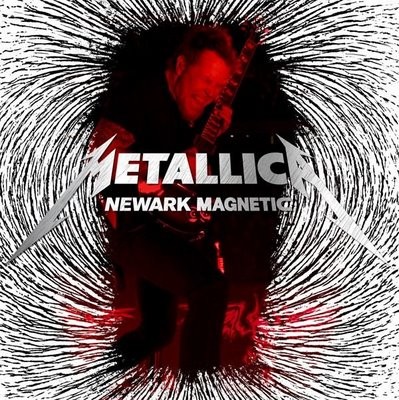
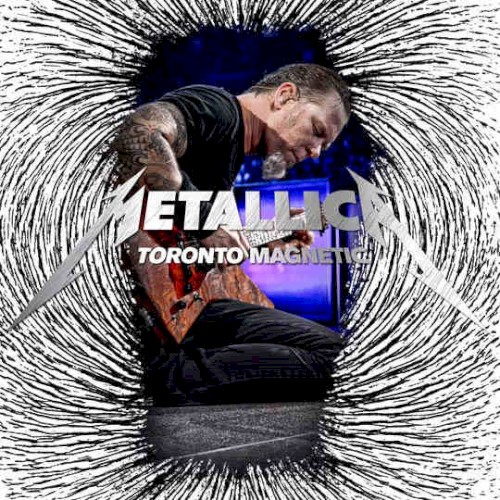
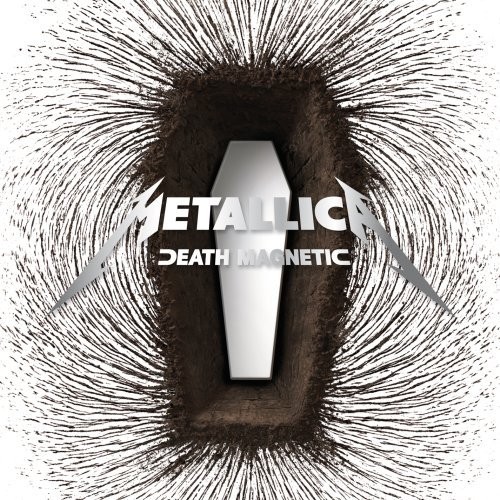
Death Magnetic in 2008 introduced a different studio partnership with Rick Rubin. In an interview preserved by Metallica’s So What!, the producer’s approach is framed around reconnecting the musicians with their early creative energy. Rubin encouraged the musicians to write longer songs when the material called for them and to rediscover the pleasure of playing together. Their shared early enthusiasm became a starting point for new writing.
72 Seasons and activity through November 2026
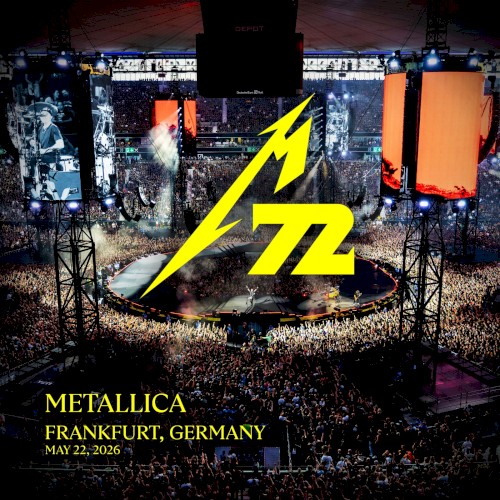
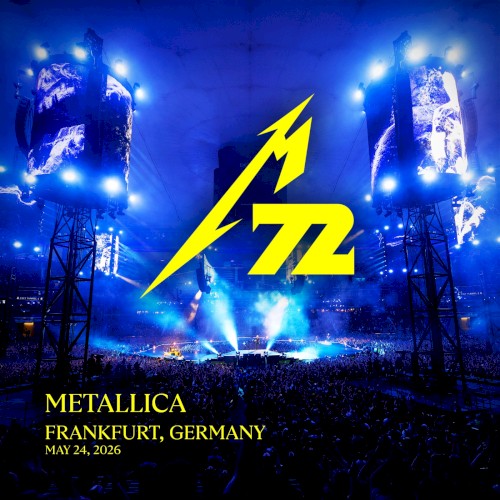
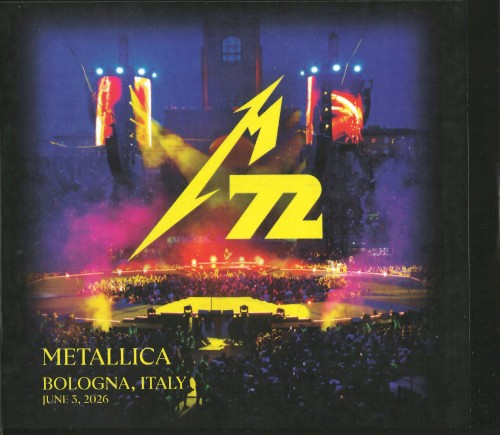
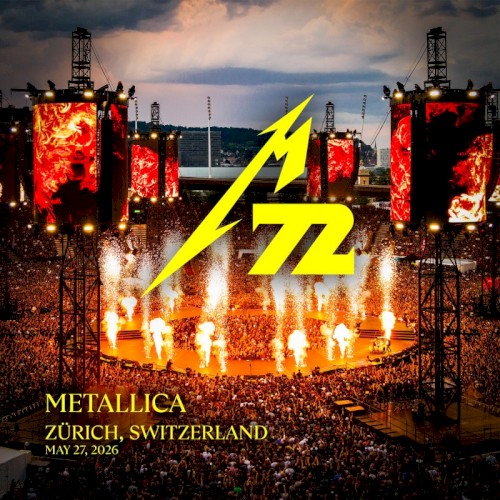
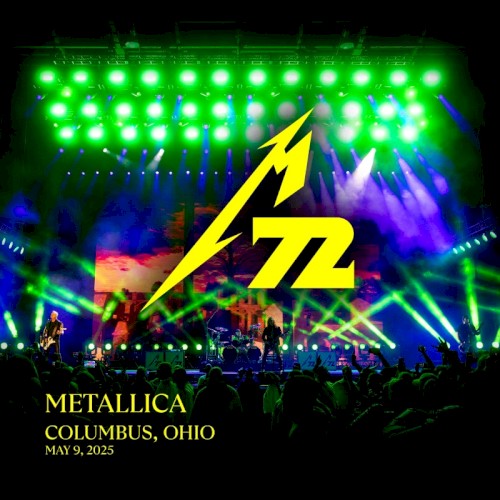
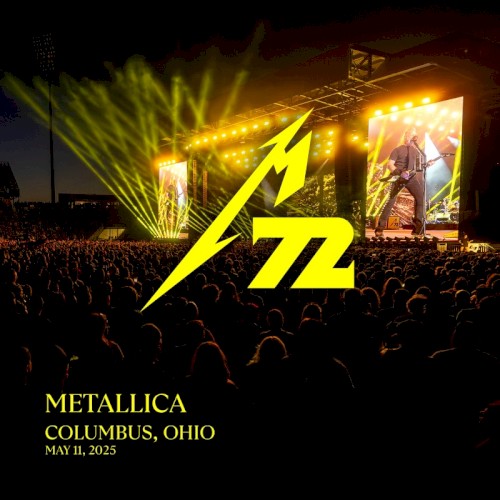
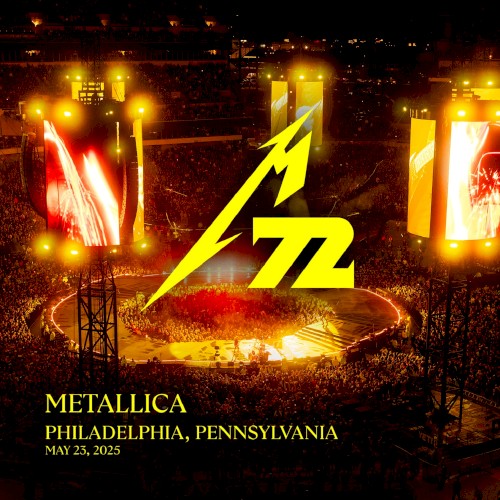
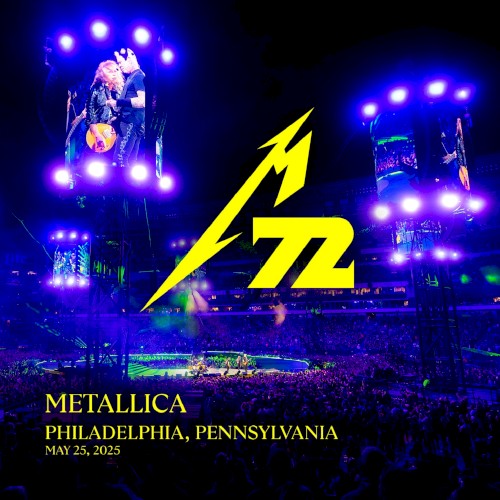
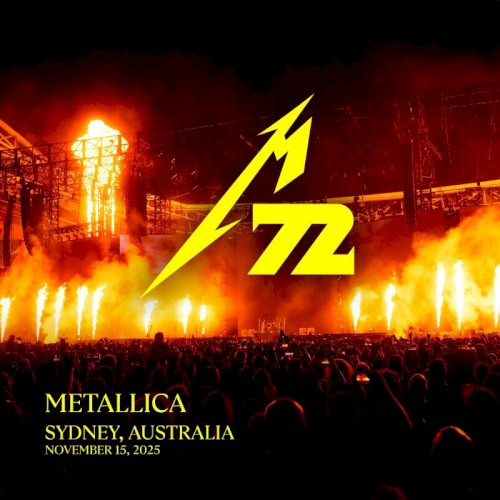
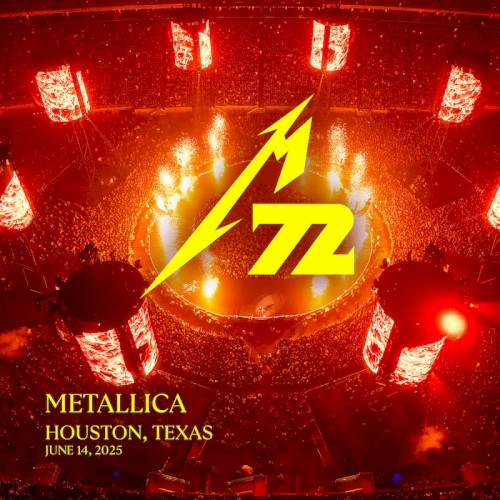
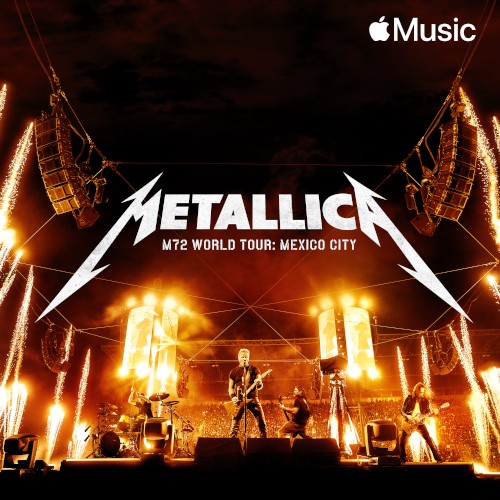
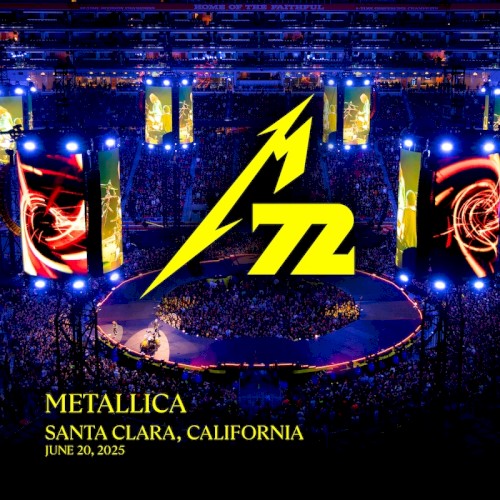
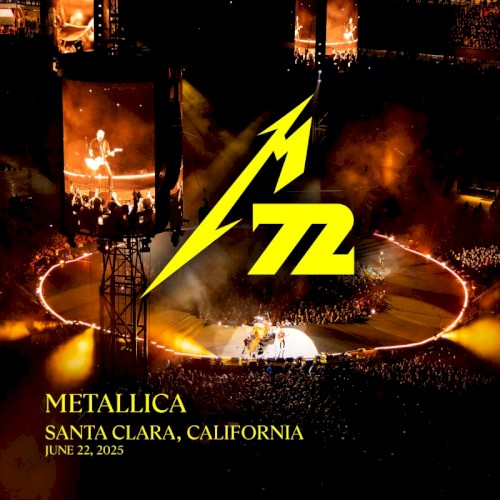
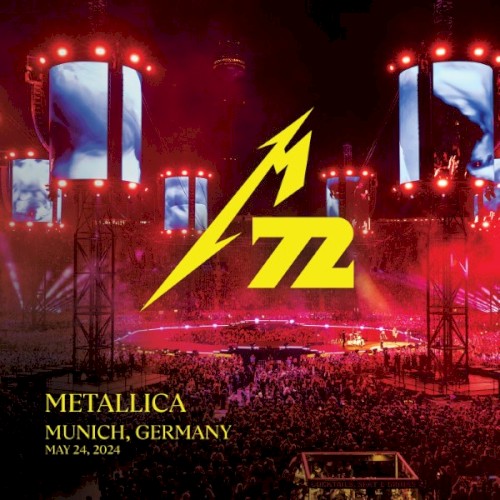
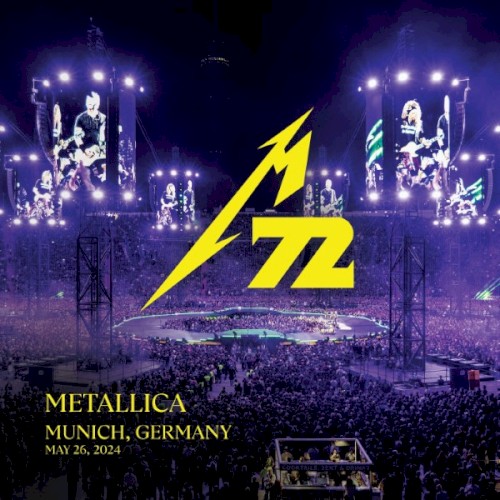
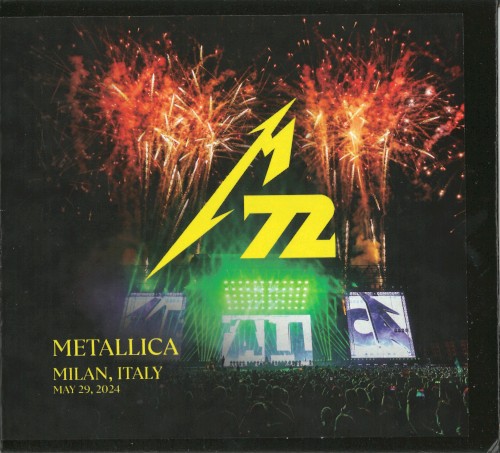
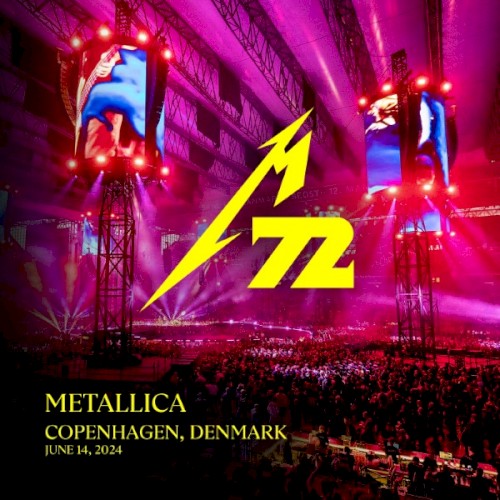
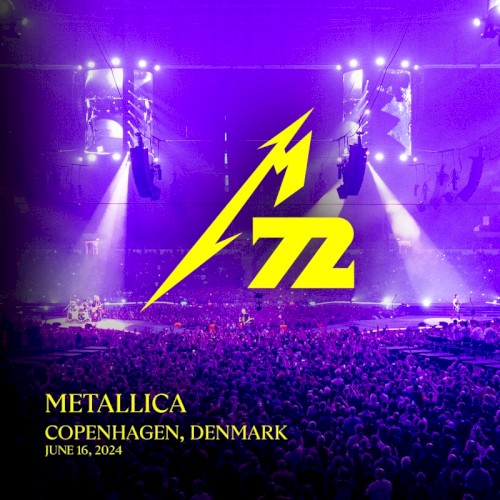
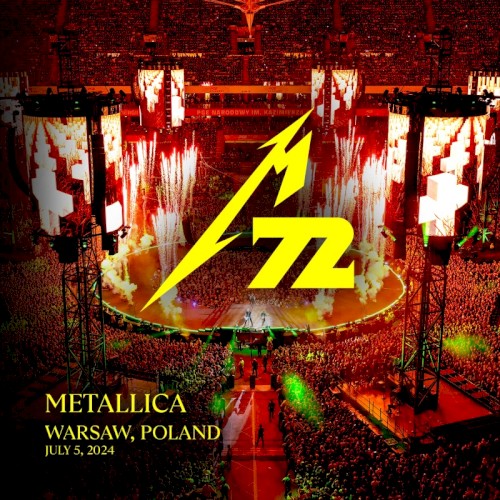
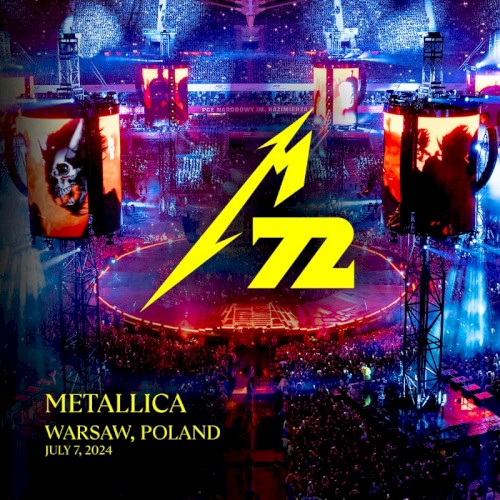
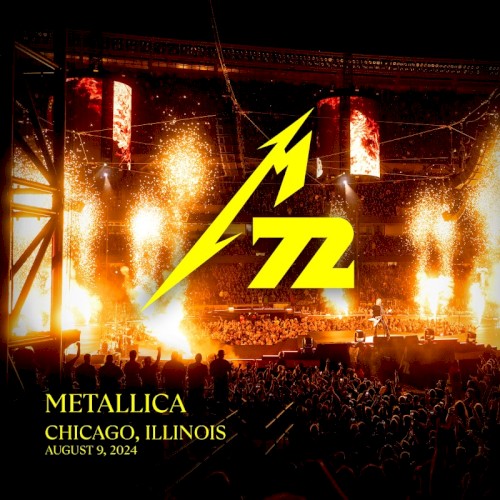
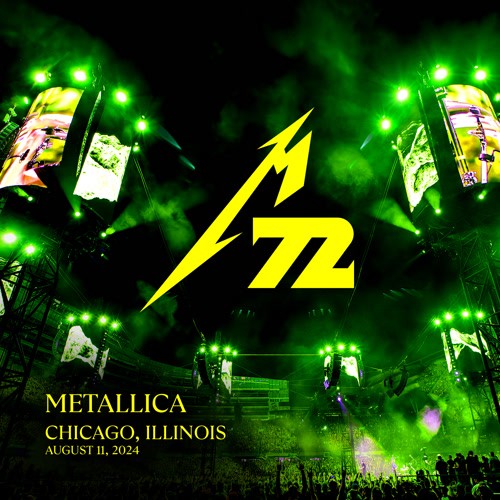
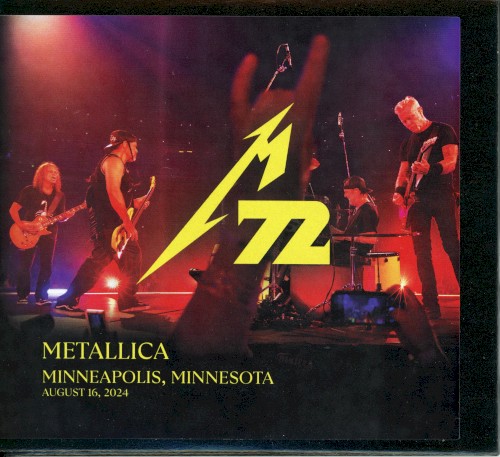
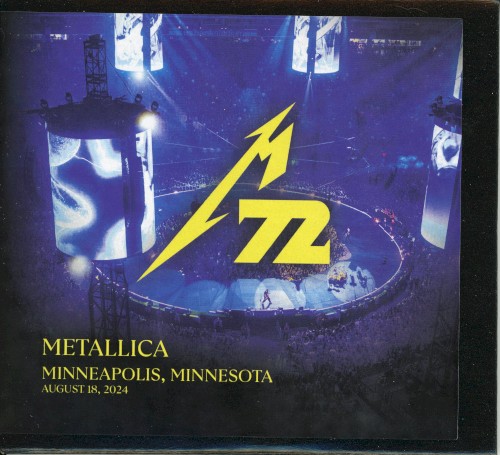
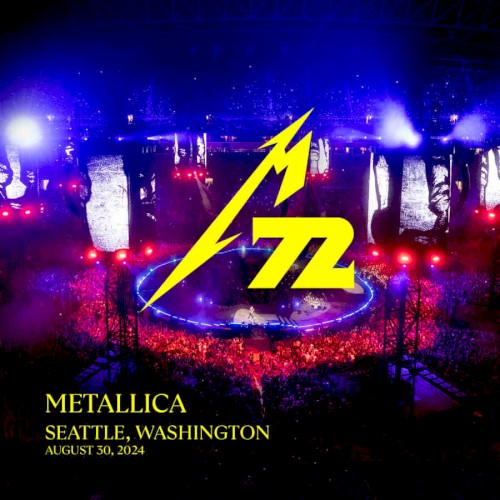
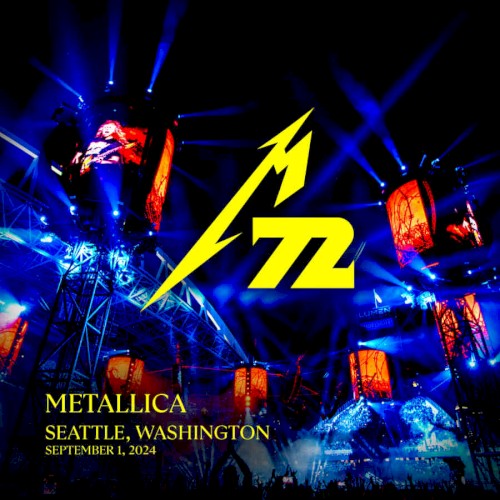
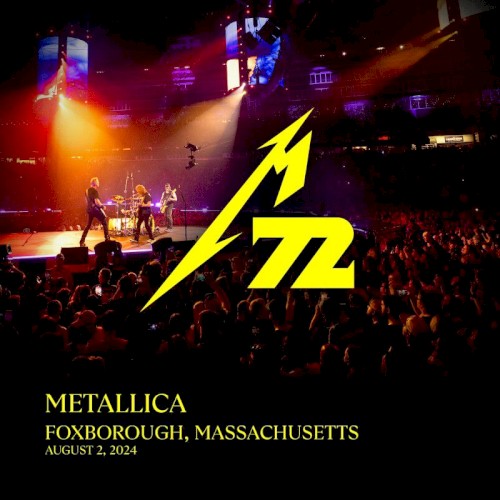
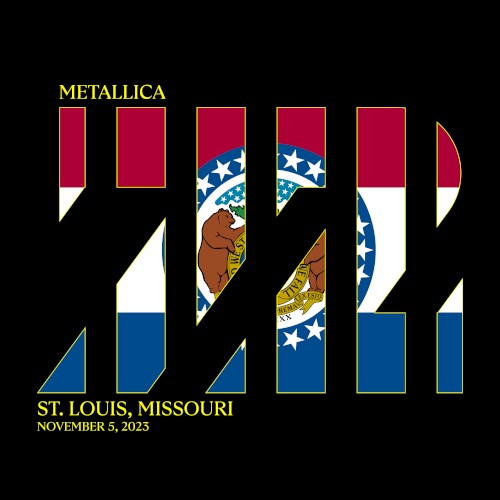
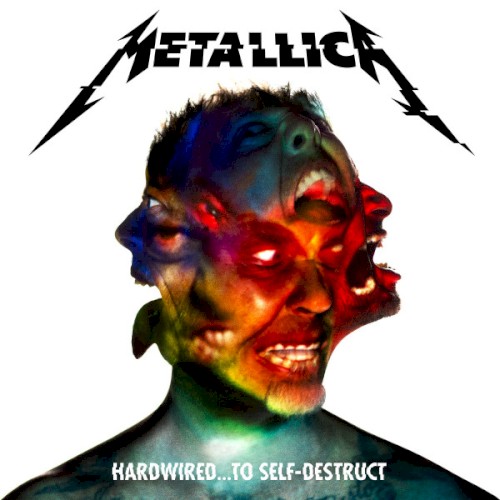
Hardwired… to Self-Destruct arrived in 2016, followed by 72 Seasons on 14 April 2023. The 72 Seasons credits identify Greg Fidelman as producer alongside Hetfield and Ulrich, with recording at the band’s San Rafael headquarters. “Lux Æterna,” “Screaming Suicide” and “Inamorata” illustrate an album that accommodates both compact attacks and extended development. Its songs provide the new material around which the M72 touring period has unfolded.
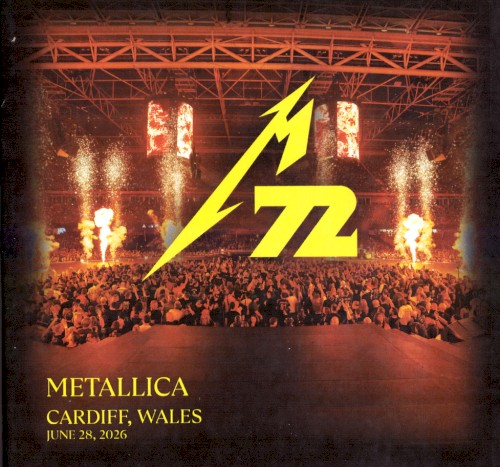
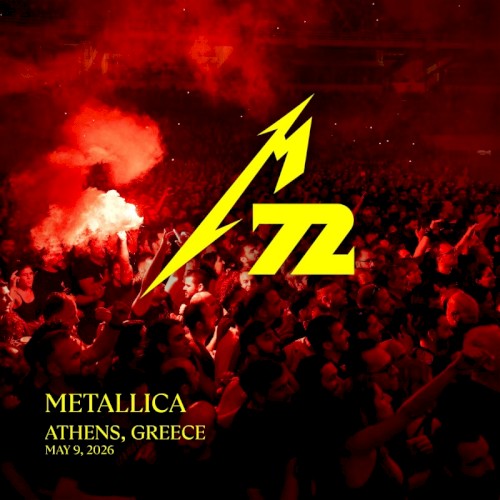
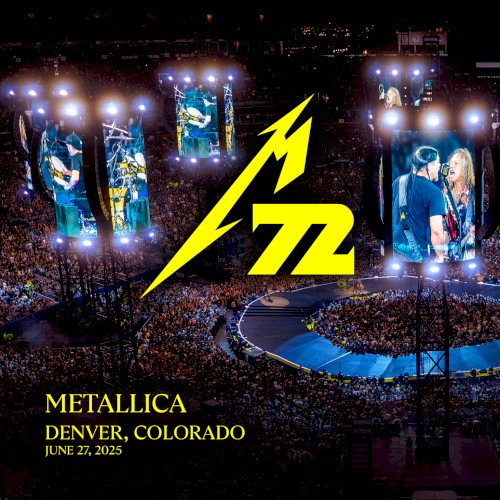
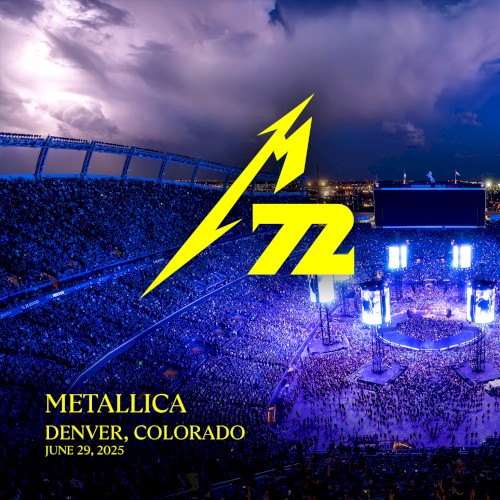
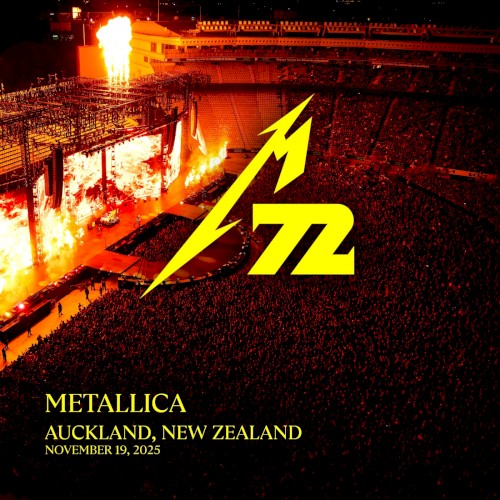
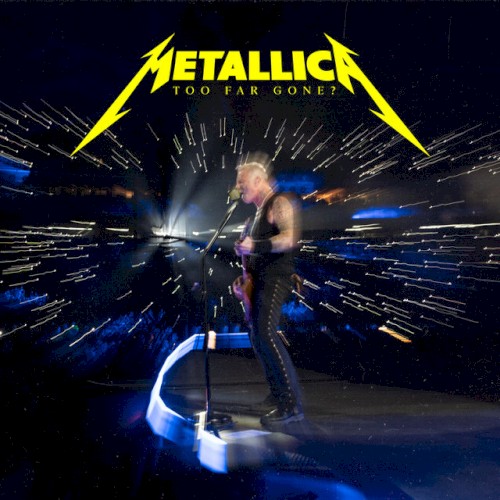
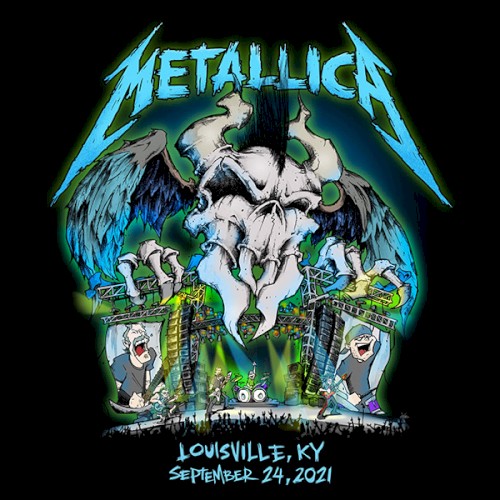
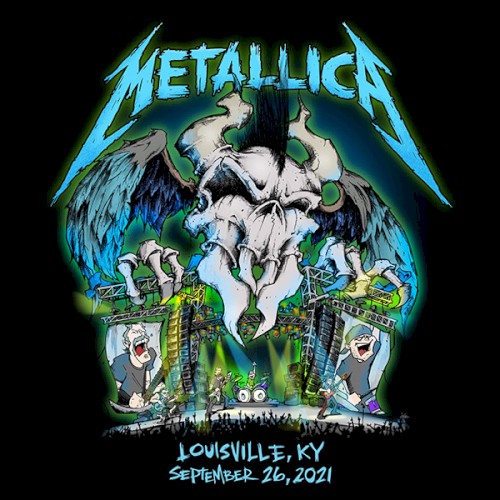
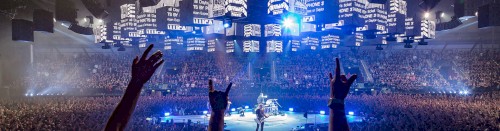
As of 24 November 2026, Metallica have announced a further twelve North American M72 shows for May and June 2027, with Limp Bizkit and Avatar. The September announcement specifies single stadium shows and the continuing central-stage production. These remain future engagements. The official release catalogue also dates the ReLoad remastered box set to 26 June 2026. That release revisits the 1997 album while M72 takes material from across the catalogue back onto stadium stages.
The conversation 0
Different voices. A shared love of heavy music.
Be the first to share your thoughts.
What stands out to you? Start the conversation.
Join the conversation
Keep it thoughtful and respectful. Comments are reviewed before appearing.