
Jimi Hendrix’s debut album was released in the United States with three songs different from those on the British edition. Black Sabbath recorded most of theirs in a single day. In January 1992, Nirvana knocked Michael Jackson off the top of the US chart with Nevermind. Here are ten albums that changed rock, along with a few stories from their history.
The Jimi Hendrix Experience, Are You Experienced (1967)
The trio’s debut album was released in May 1967 in the UK, followed by the US in August. On the American edition, three tracks made way for songs already released as singles in the UK. Purple Haze opens the record, which also features Hey Joe and The Wind Cries Mary. The blues number Red House appears on the British pressing.
For the title track, the band recorded guitar, bass and percussion at Olympic Studios in London. The tape was then flipped over and played backwards while a second tape machine recorded the result.
The Beatles, Sgt. Pepper’s Lonely Hearts Club Band (1967)
John Lennon drew inspiration from an 1843 circus poster when writing the lyrics to Being For The Benefit Of Mr. Kite! To recreate the atmosphere of a fairground, producer George Martin and recording engineer Geoff Emerick cut up tapes of organ music and spliced the fragments together in a random order. The resulting montage helped create the chaotic atmosphere at the end of the track.
The Velvet Underground & Nico, The Velvet Underground & Nico (1967)
Andy Warhol supported the band’s early recording sessions in April 1966 at New York’s Scepter Studios. He also designed the famous banana cover. On the first copies, the yellow skin could be peeled off to reveal the pink fruit.
Recorded in November 1966 during a final session with producer Tom Wilson, Sunday Morning opens the album. The record was released in March 1967 on Verve.
Black Sabbath, Black Sabbath (1970)
Black Sabbath had two days of studio time for their debut album. According to Tony Iommi and Geezer Butler, the band recorded most of the tracks in a single day, playing them much as they would onstage. The record was released in the UK on Friday, February 13, 1970.
Rain, thunder and a bell can be heard at the start of the title track. Tony Iommi’s riff is built around a tritone, an interval of three whole tones. Ozzy Osbourne’s harmonica opens the next track, The Wizard.
Led Zeppelin, Led Zeppelin IV (1971)
To record When The Levee Breaks, Led Zeppelin set up John Bonham’s drums at the foot of the staircase at Headley Grange in Hampshire. Recording engineer Andy Johns positioned two Beyerdynamic M160 microphones overhead to capture the stairwell’s reverberation, then used equipment including a Binson Echorec to add echo. The band had the Rolling Stones’ mobile studio on site.
David Bowie, The Rise And Fall Of Ziggy Stardust And The Spiders From Mars (1972)
According to co-producer Ken Scott, RCA heard no potential single in the first version of Ziggy Stardust. Bowie then wrote Starman and returned to the studio to record it. On the album, the song replaced Round And Round, a Chuck Berry cover.
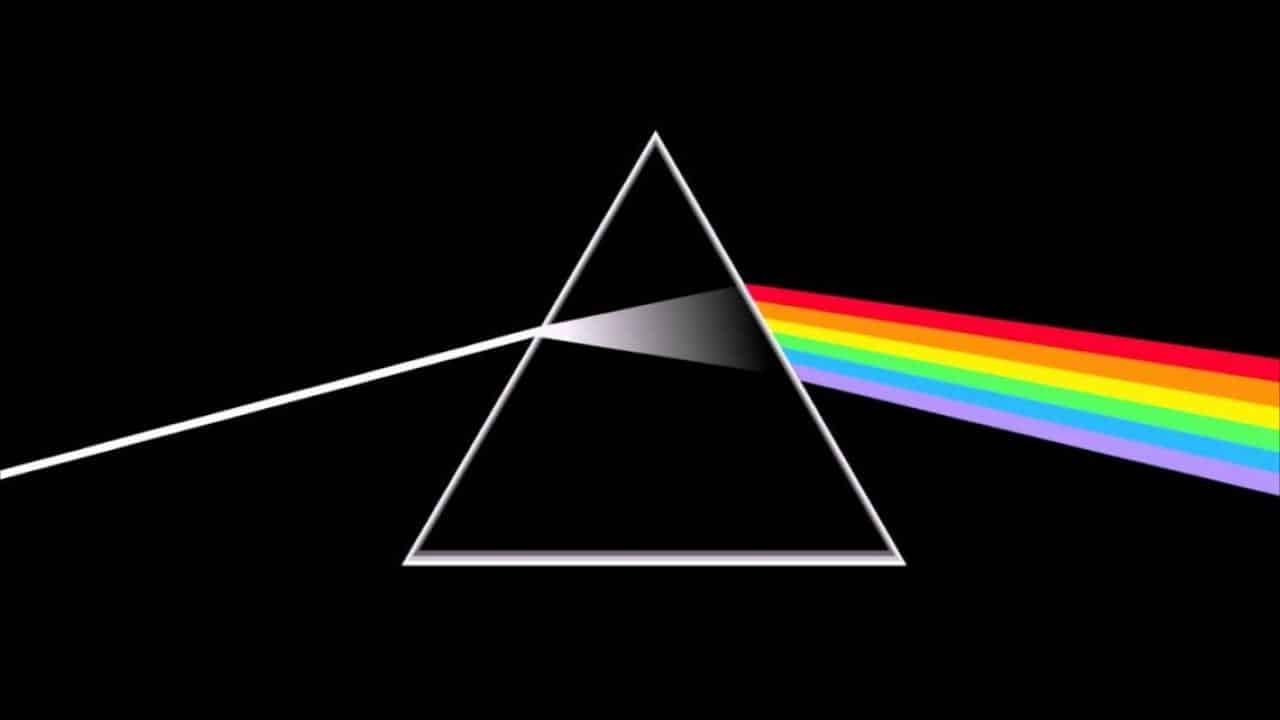
Pink Floyd, The Dark Side Of The Moon (1973)
For the loop that opens Money, Nick Mason drilled holes in old coins and threaded them onto strings. Roger Waters recorded the sound of coins spinning in a bowl his wife used for pottery. The cash register sounds came from a sound library. Mason and Waters prepared the loop at home before bringing it to Abbey Road.
Alan Parsons recorded the clocks heard at the start of Time in a shop in Hampstead, London. On January 21, 1973, Clare Torry recorded the wordless vocal part for The Great Gig In The Sky at Abbey Road.
The Clash, London Calling (1979)
Pennie Smith took the cover photograph on September 21, 1979, at New York’s Palladium as Paul Simonon smashed his bass onstage. Graphic designer Ray Lowry borrowed the pink and green lettering from Elvis Presley’s debut album.
The double album was released in December 1979 in the UK, followed by the US in 1980. It features the band’s versions of Brand New Cadillac, a rockabilly song by Vince Taylor, and Revolution Rock, a reggae track previously released as a 7-inch single by Danny Ray.
Nirvana, Nevermind (1991)
Produced by Butch Vig, Nevermind was Nirvana’s first album with Dave Grohl on drums. It was also the band’s first for DGC, a Geffen label. For Polly, Nirvana kept the take recorded with Vig at Smart Studios in 1990, before Grohl joined. Chad Channing can be heard on cymbals.
Less than four months after its release, Nevermind climbed from No. 6 to No. 1 on the Billboard 200 dated January 11, 1992. Dangerous by Michael Jackson fell to No. 5.
Radiohead, OK Computer (1997)
Radiohead co-produced the album with Nigel Godrich and recorded some of the tracks at St Catherine’s Court, actress Jane Seymour’s manor house near Bath. On Exit Music (For A Film), Thom Yorke recorded his vocals in a stone staircase in the house, taking advantage of its natural reverberation. Guitarist Ed O’Brien recalls that the band recorded Let Down by playing together, without adding any instrumental parts afterwards.
The conversation 0
Different voices. A shared love of heavy music.
Be the first to share your thoughts.
What stands out to you? Start the conversation.
Join the conversation
Keep it thoughtful and respectful. Comments are reviewed before appearing.